Last updated 2026-07-25
TL;DR
Starting a medical transportation business in South Carolina means choosing NEMT (non-emergency) vs. ambulance, registering your LLC, getting proper vehicle insurance and DOT numbers if required, enrolling as a South Carolina Healthy Connections Medicaid transportation provider, then credentialing with the state's contracted broker (currently Modivcare in most regions). Confirm current requirements with SCDHHS and the broker directly, since rules and contracts change.
How do you start a medical transportation business in South Carolina?
Start by picking your lane. Most new operators in South Carolina run non-emergency medical transportation (NEMT), meaning wheelchair vans and ambulatory sedans that take Medicaid members to dialysis, dental visits, and specialist appointments. That's a different business, with different licensing, than running an ambulance service that responds to 911 calls or does emergency transports. For NEMT, the rough sequence looks like this: form your business entity, get commercial auto insurance and any required Public Service Commission or DOT authority, buy or convert your vehicle, get your driver credentials (background check, drug screen, defensive driving course), enroll with South Carolina Healthy Connections Medicaid as an NEMT provider, then credential with the broker that manages Medicaid trip dispatch in your region. South Carolina Medicaid uses a managed transportation model, so in practice you don't just sign up with the state and start getting trips. You have to clear both the state enrollment gate and the broker's separate credentialing process. Neither one substitutes for the other, and skipping the order costs you time. Budget real time for this. Between entity formation, insurance binding, vehicle setup, and broker credentialing (which often includes a vehicle inspection and driver file review), three to six months from a standing start isn't unusual. Confirm current timelines with SCDHHS and your broker, because they do change. For a broader walkthrough of the general steps that apply across states, see medical transportation and nemt.
What is NEMT, and how is it different from an ambulance service?
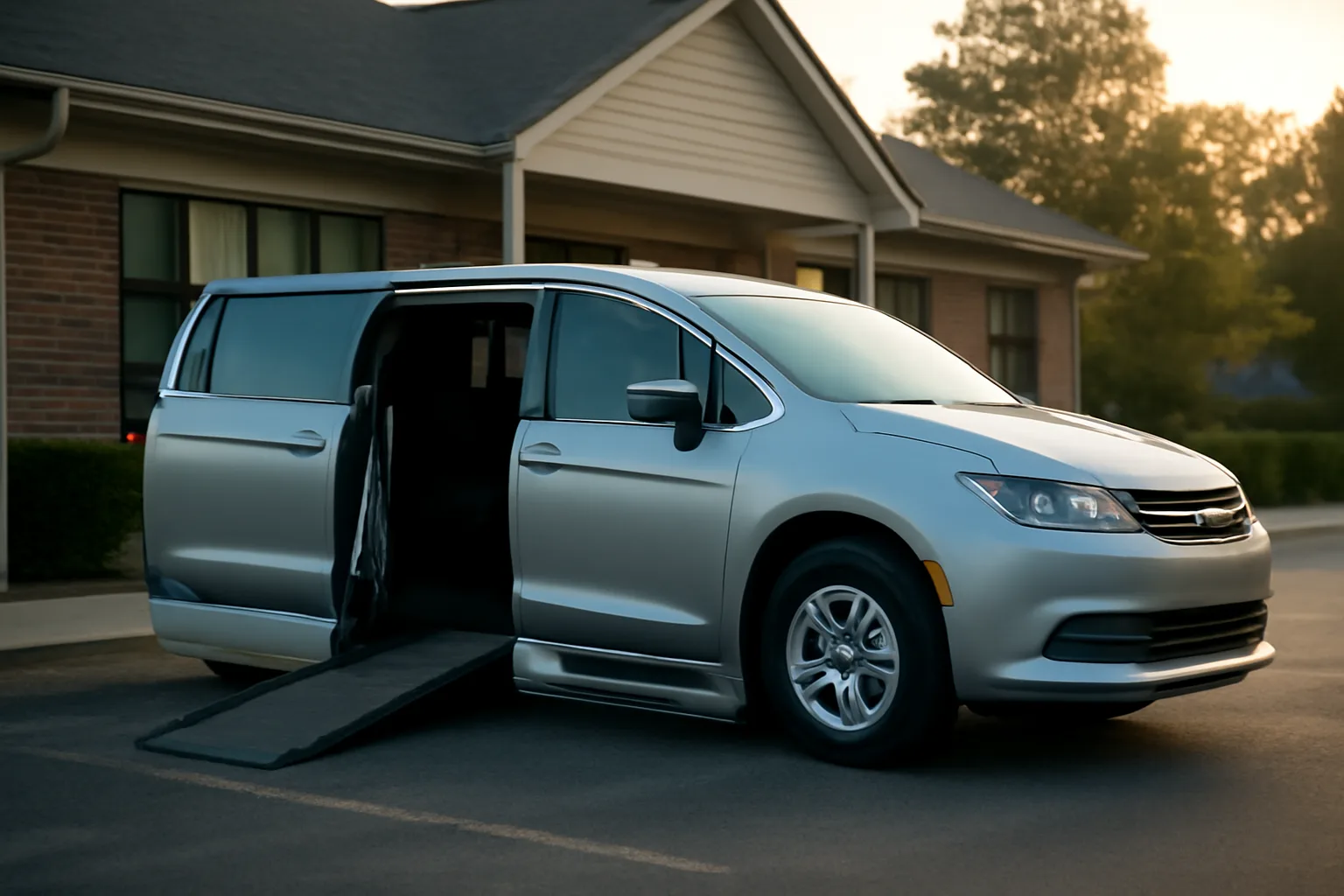
NEMT stands for non-emergency medical transportation. It's transportation for Medicaid (and sometimes Medicare Advantage or private-pay) members who can get themselves into a vehicle, or need a wheelchair lift, but don't need medical care during the ride. Think dialysis three times a week, a methadone clinic visit, physical therapy, or a follow-up appointment after surgery. Ambulance transport is a different regulatory world entirely. It requires licensed EMTs or paramedics, a state ambulance service license, specific vehicle equipment standards, and it responds to calls that may involve active medical need during transit. South Carolina regulates EMS agencies and personnel under Title 44, Chapter 61 of the South Carolina Code, which governs emergency medical services licensure, separate from the Medicaid NEMT provider enrollment process [1]. If you're buying a wheelchair van and want to drive Medicaid members to appointments, you almost certainly want NEMT, not an ambulance license. NEMT vehicles use wheelchair lifts or ramps, not stretchers and cardiac monitors, and drivers typically need a clean driving record, CPR/first aid certification, and a background check rather than EMT licensure. Check non-emergency-medical-transportation for more on how the category is defined nationally.
Does Medicaid cover ambulance rides?
Yes. Medicaid covers ambulance transportation when it's medically necessary, meaning the member's condition requires transport by ambulance rather than any other means, per federal Medicaid rules governing emergency and non-emergency transportation benefits [2]. States set their own specific coverage and billing rules within that framework, and South Carolina Healthy Connections Medicaid has its own provider manual covering ambulance billing codes, prior authorization for non-emergency ambulance trips, and mileage rates. Ambulance coverage is billed and regulated separately from NEMT. If you're building a wheelchair-van business, ambulance billing rules aren't your concern day to day, but it's worth knowing the distinction so you don't accidentally market your NEMT service as "ambulance transport" in a way that confuses referral sources or, worse, violates scope-of-service rules with your broker contract.
Does Medicare cover medical transportation?
Medicare Part B covers ambulance services when other transportation would endanger the patient's health, and it covers non-emergency ambulance transport in limited circumstances with a physician's certification of medical necessity [3]. Straight NEMT, meaning a wheelchair van or ambulatory sedan trip to a routine outpatient appointment, generally is not covered by traditional Medicare. Where NEMT shows up under Medicare is through Medicare Advantage plans. Many Medicare Advantage plans now offer NEMT as a supplemental benefit, and some contract with the same brokers (Modivcare, MTM) that manage state Medicaid transportation networks. If you want Medicare Advantage trips in addition to Medicaid trips, you'll typically need a separate contract or credentialing track with the plan or its broker, on top of your Medicaid enrollment.
How do you enroll as a Medicaid NEMT provider in South Carolina?
South Carolina Healthy Connections Medicaid, administered by the South Carolina Department of Health and Human Services (SCDHHS), requires transportation providers to enroll through the state's Medicaid provider enrollment process before they can bill for NEMT services or dispatch through the broker network. You'll need your business entity documents, EIN, National Provider Identifier (NPI) if applicable to your provider type, vehicle registration and insurance documents, and driver credential files. South Carolina, like most states, doesn't have providers bill Medicaid directly for individual NEMT trips in most regions. Instead, SCDHHS contracts with a broker to manage trip scheduling, dispatch, and provider network. That means Medicaid enrollment gets you on the state's radar as an eligible provider type, but you generally still need a separate credentialing agreement with the broker to actually receive trip assignments and get paid per trip. Confirm with SCDHHS's transportation unit exactly which portal, forms, and provider type codes apply to your business structure, since these details shift and a general description won't reflect this month's exact requirements.
How does broker credentialing work once you're Medicaid-enrolled?
The broker is the company that actually assigns you trips day to day. In South Carolina, that has been Modivcare in recent years, but broker contracts are rebid periodically, so confirm the current contracted broker and region assignments with SCDHHS's transportation unit before you build your business plan around any one company's name. Broker credentialing usually asks for a separate application on top of your Medicaid enrollment: proof of commercial auto insurance meeting the broker's minimum liability limits (often $1 million combined single limit, though this varies by broker and vehicle type), a vehicle inspection covering the wheelchair lift or ramp, driver background checks and drug screening, defensive driving certification, and sometimes a facility or dispatch capability review if you plan to run more than one vehicle. Here's the part new operators underestimate: broker credentialing can take weeks longer than the Medicaid enrollment step itself, because brokers batch vehicle inspections and process high application volumes. Don't buy your van, sign a lease, or quit your day job assuming a fast turnaround. Ask the broker directly, in writing if possible, what their current credentialing queue looks like. A reasonably common cost stack for getting through both steps includes state Medicaid enrollment fees (sometimes waived, sometimes a modest application fee), broker application fees, driver background check and drug screen costs (typically $50 to $150 per driver depending on vendor), and any inspection or decal fees the broker charges. None of these are large individually, but they add up before your first paid trip. A $199 State + Broker NEMT Launch Kit can help you organize the document checklist for both the state and broker applications so you're not missing a form on your third submission attempt, though it doesn't replace confirming exact requirements with SCDHHS and the broker.
What vehicle and insurance requirements apply to a South Carolina wheelchair van business?
Your wheelchair van needs a functioning, certified lift or ramp, and most brokers require an annual (sometimes more frequent) vehicle inspection to confirm the lift works and the vehicle passes a general safety check. You'll also want to check whether your specific vehicle weight class or passenger capacity triggers South Carolina commercial vehicle registration or Department of Motor Vehicles requirements beyond a standard passenger vehicle registration. Commercial auto insurance is non-negotiable. Personal auto policies typically exclude for-hire transportation, so you need a commercial policy written for livery or NEMT use, with liability limits that meet whatever the broker's minimum is (commonly $1 million combined single limit for wheelchair-accessible vehicles, though confirm the exact figure with your insurer and broker since it varies by vehicle type and broker contract). If you're running interstate trips or exceed certain vehicle weight thresholds, federal motor carrier rules under the Federal Motor Carrier Safety Administration may apply, requiring a USDOT number, as defined under 49 CFR 390.5 [4]. Most single-county or single-region South Carolina NEMT operators running one van locally won't trigger this, but check your specific routes and vehicle gross weight rating before assuming you're exempt.
How do you start a medical transportation business with one van?
One van is a completely normal way to start, and plenty of successful NEMT operators began exactly there. The sequence doesn't change much from the multi-vehicle version, just the scale. Register your LLC or chosen entity, get your EIN, open a business bank account. Buy or convert your van (used wheelchair vans with working lifts run a wide price range depending on age and mileage; a new mobility conversion van can run well into six figures, while a used one with moderate mileage and a working lift often lands far lower, so shop carefully and get the lift inspected before you buy). Get commercial auto insurance quoted before you buy, not after, since some insurers won't cover certain older conversions or require specific lift certifications. Hire or be your own driver, get the background check and drug screen done, complete any defensive driving or passenger assistance training the broker requires. Enroll with SCDHHS as a Medicaid transportation provider, then apply for broker credentialing. One van means you can't run multiple trips simultaneously, so be honest with the broker and with yourself about your actual daily capacity when you start taking dispatch assignments. Many one-van operators eventually add a second vehicle once they understand the local trip patterns and their own schedule capacity. There's no rule requiring you to start bigger than that.
What does it cost to start a NEMT business in South Carolina?
| LLC formation + EIN | $110 to $250 | South Carolina Secretary of State filing fee plus any registered agent cost | |
|---|---|---|---|
| Wheelchair van (used, working lift) | $15,000 to $45,000+ | Wide range based on age, mileage, lift type | |
| Commercial auto insurance (annual) | Several thousand dollars | Varies heavily by driving history, coverage limits, vehicle count | |
| Driver background check + drug screen | $50 to $150 per driver | Vendor-dependent | |
| Broker application/credentialing fees | Varies by broker | Confirm current fee schedule directly | |
| Medicaid provider enrollment | Often no fee or modest fee | Confirm with SCDHHS transportation unit | The insurance line is usually the biggest ongoing surprise for new operators. Commercial NEMT policies cost meaningfully more than personal auto coverage, and premiums depend heavily on your driving record, the vehicle's age, and how many vehicles you're insuring. Get quotes before you commit to a purchase price on the van, not after. |
There's no single official number for this, because vehicle costs, insurance premiums, and fee structures vary too much to average honestly. But here's a realistic breakdown of the categories you're paying into: | Cost category | Typical range | Notes |
How do you start a NEMT business, step by step?
Here's the condensed order most operators follow, adapted to South Carolina's structure: 1. Decide on entity type (LLC is common) and register with the South Carolina Secretary of State. 2. Get your EIN from the IRS and open a business bank account. 3. Research your target market: which counties, which broker region, which trip types (dialysis, medical appointments, non-emergency transfers). 4. Buy or convert your vehicle, confirming the lift or ramp meets broker inspection standards before you finalize the purchase. 5. Secure commercial auto insurance meeting broker minimum limits. 6. Complete driver requirements: background check, drug screen, defensive driving, passenger assistance training. 7. Enroll as a Medicaid transportation provider through SCDHHS. 8. Apply for broker credentialing (currently Modivcare in most South Carolina regions, but confirm current contract status). 9. Pass vehicle inspection and any onboarding orientation the broker requires. 10. Start accepting trip assignments once fully credentialed, tracking your own capacity honestly from day one. See nemt-transportation for a broader look at how this sequence plays out across different state Medicaid structures, since South Carolina's model (state enrollment plus separate broker credentialing) is common but not universal.
What's the difference between NEMT and emergency medical transport licensing?
NEMT providers don't need EMT-certified staff, ambulance vehicle equipment, or an EMS agency license, because they're not providing emergency medical care during transport. Emergency medical transport (ambulance) providers in South Carolina fall under state EMS licensure requirements and must meet standards for the agency, the vehicle, and the credentialed medical staff aboard, under Title 44, Chapter 61 of the South Carolina Code [1]. Some operators eventually want to expand from NEMT into non-emergency ambulance transfers (moving a patient on a stretcher between facilities, for example), which sits in a middle zone requiring different vehicle equipment and sometimes EMT staffing, depending on how South Carolina classifies the transport level. If you're considering that expansion, treat it as a separate licensing project, not an add-on to your existing NEMT credentialing. Check emergency-medical-transport for how that category is generally structured before assuming your wheelchair van business can simply add stretcher service.
What mistakes do new South Carolina NEMT operators commonly make?
The biggest one is buying the van before confirming insurance availability and broker inspection standards. A used conversion van that looks fine on a lot can fail a lift inspection or trigger an insurance decline because of its age or conversion type. Get insurance quotes and ask the broker's inspection checklist questions before you sign a purchase agreement. The second common mistake is assuming Medicaid enrollment alone means you can start driving trips. In South Carolina's broker-managed model, state enrollment and broker credentialing are two separate gates, and clearing one doesn't clear the other. Budget time and paperwork for both. Third, drivers sometimes assume a clean personal driving record is enough. Brokers typically run their own background check and drug screen process regardless of what you've already done, and some have specific lookback periods for violations (DUI, reckless driving) that will disqualify a driver even if their license is currently valid. Ask your specific broker for their disqualifying-offense list before you hire. Finally, don't skip reading the actual broker contract terms around trip cancellation penalties, no-show policies, and payment timing. These operational details matter more to your day-to-day cash flow than almost anything in the initial credentialing process, and they're not usually front and center in marketing materials.
Frequently asked questions
How do I start a medical transportation business?
Register your business entity, secure commercial auto insurance, get a properly equipped vehicle (wheelchair van for NEMT), complete driver background checks and training, enroll as a Medicaid provider with your state agency, then credential with the contracted broker that dispatches trips in your region. Confirm each step's current requirements directly with your state Medicaid transportation unit.
Does Medicaid cover ambulance rides?
Yes, Medicaid covers ambulance transportation when medically necessary under federal Medicaid rules, with each state setting specific billing and prior authorization rules within that framework. South Carolina Healthy Connections Medicaid has its own ambulance billing rules separate from its NEMT (wheelchair van) provider requirements.
What is NEMT?
NEMT stands for non-emergency medical transportation: rides for Medicaid or Medicare Advantage members to routine medical appointments like dialysis, dental visits, or physical therapy, using wheelchair vans or ambulatory vehicles rather than ambulances. It doesn't require EMT staffing or emergency vehicle equipment.
Does Medicare cover medical transportation?
Original Medicare Part B covers ambulance transport when medically necessary and covers limited non-emergency ambulance trips with physician certification, but it generally doesn't cover routine NEMT wheelchair-van trips. Some Medicare Advantage plans offer NEMT as a supplemental benefit, often through the same brokers used by state Medicaid programs.
How do I start a NEMT business with just one van?
One van is a normal starting point. Register your entity, get commercial auto insurance and a working wheelchair lift inspected, complete driver background checks and training, enroll with your state Medicaid agency, then get credentialed with the regional broker. Be realistic with the broker about your single-vehicle capacity when accepting trip assignments.
What is the difference between NEMT and an ambulance service in South Carolina?
NEMT transports members who don't need medical care during the ride and doesn't require EMT staff or ambulance-grade equipment. Ambulance services in South Carolina are licensed under Title 44, Chapter 61 of the South Carolina Code and require credentialed EMS staff and equipment for medical care during transport. They're regulated and licensed completely separately from Medicaid NEMT enrollment.
Who is the Medicaid transportation broker in South Carolina?
South Carolina Healthy Connections Medicaid has contracted with Modivcare for non-emergency transportation management in recent years, but broker contracts are periodically rebid. Confirm the current contracted broker and your specific region's assignment directly with SCDHHS's transportation unit before building a business plan around any one company.
How much does it cost to start a NEMT business in South Carolina?
Costs vary widely: LLC formation runs roughly $110 to $250, a used wheelchair van with a working lift can run $15,000 to $45,000 or more, commercial auto insurance runs several thousand dollars annually, and driver background checks run $50 to $150 each. Broker and Medicaid enrollment fees vary and should be confirmed directly.
Do I need a special license to drive a wheelchair van for Medicaid trips in South Carolina?
Generally no CDL or EMT license is required for standard NEMT wheelchair van driving, but you'll need a clean driving record, background check, drug screen, and typically defensive driving and passenger assistance training required by your broker. Requirements vary by broker, so confirm the specific driver qualification list directly.
Can I run a NEMT business without going through a broker?
In states with a managed transportation model, including South Carolina in recent years, most Medicaid NEMT trips are dispatched through a state-contracted broker rather than billed directly. Some private-pay or non-Medicaid contract work may not require broker credentialing, but for Medicaid trip volume you'll typically need broker approval.
How long does it take to get credentialed as a South Carolina NEMT provider?
There's no fixed timeline, but combining Medicaid enrollment and broker credentialing commonly takes a few months from a standing start, sometimes longer depending on document readiness, vehicle inspection scheduling, and broker application volume. Ask SCDHHS and the broker directly for their current processing timelines before setting a launch date.
What insurance do I need for a wheelchair van business?
You need a commercial auto policy written for livery or NEMT use, since personal auto policies typically exclude for-hire transportation. Liability limits commonly required by brokers run around $1 million combined single limit for wheelchair-accessible vehicles, but confirm the exact minimum with your specific broker and insurer.
Sources
- South Carolina Code of Laws, Title 44, Chapter 61 (Emergency Medical Services): Ambulance and emergency medical transport services in South Carolina are licensed and regulated under Title 44, Chapter 61 of the South Carolina Code, separate from Medicaid NEMT provider enrollment
- Medicaid.gov, Non-Emergency Medical Transportation: Medicaid covers ambulance and non-emergency medical transportation when medically necessary, with states administering specific coverage rules within federal requirements
- Medicare.gov, Ambulance Services Coverage: Medicare Part B covers ambulance services when other transportation would endanger the patient's health, including limited non-emergency ambulance transport with physician certification
- Electronic Code of Federal Regulations, 49 CFR 390.5: Federal motor carrier rules define commercial motor vehicle thresholds that can require a USDOT number depending on vehicle weight and interstate operation
- South Carolina Code of Laws, Title 33, Chapter 44 (South Carolina Limited Liability Company Act): South Carolina LLC formation and organization is governed by the South Carolina Limited Liability Company Act, which sets the legal framework new NEMT operators register under before filing with the Secretary of State