Last updated 2026-07-23
TL;DR
Non-emergency medical transportation (NEMT) in Hernando County runs through Florida Medicaid managed care and its transportation broker (MTM statewide as of recent contracts), not a county office. To operate, you need a Florida Medicaid provider enrollment, broker credentialing, vehicle permits through the Florida Highway Safety and Motor Vehicles rules for-hire, and driver background checks. Confirm current broker assignment and county specifics with your regional Medicaid office before buying a van.
What is non-emergency medical transportation (NEMT)?
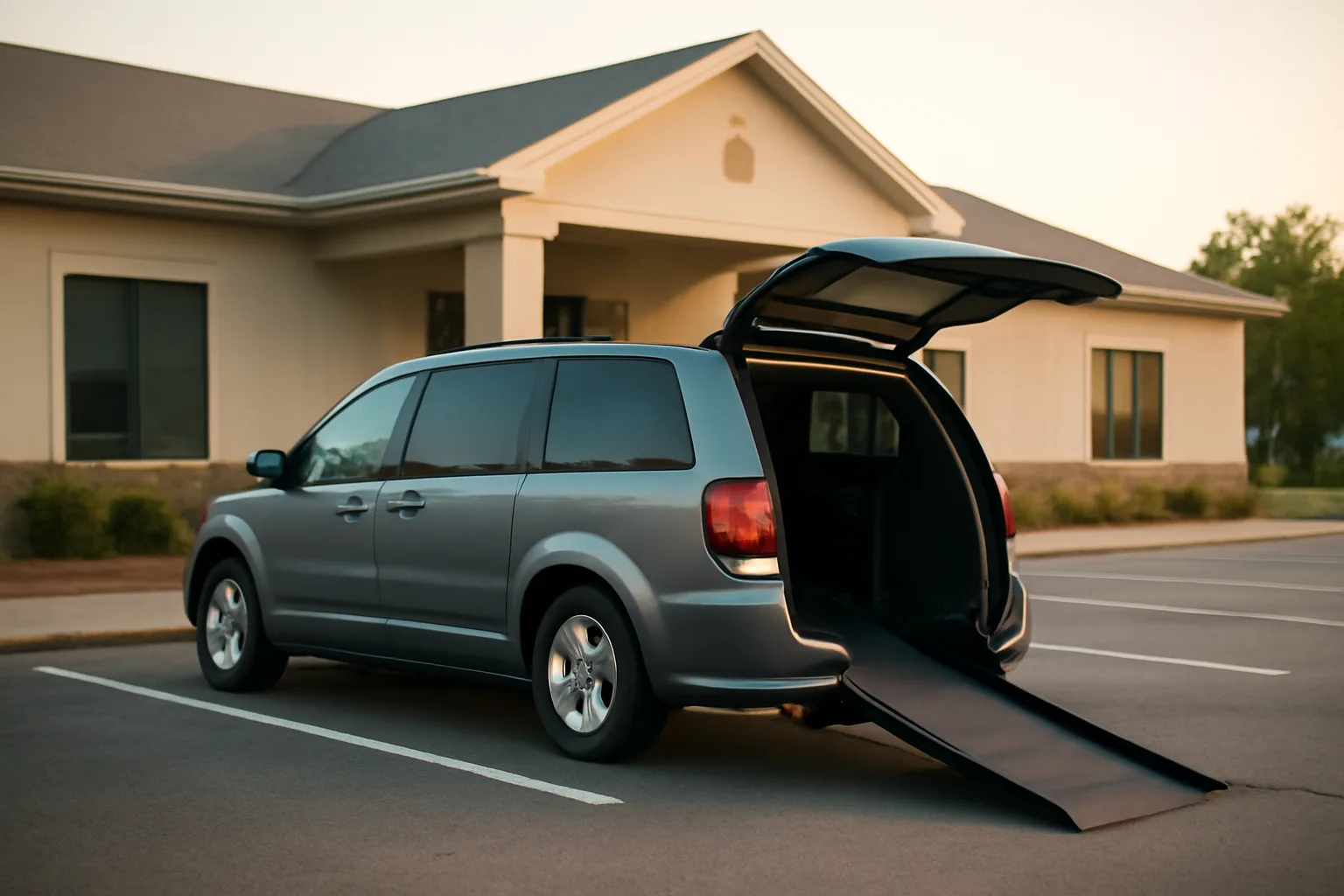
Non-emergency medical transportation is scheduled, non-ambulance transport for people who need to get to a medical appointment, dialysis, physical therapy, or a pharmacy pickup but don't need an ambulance crew or emergency care in transit. Think wheelchair vans, ambulatory sedans, and stretcher vans, not lights-and-sirens rigs. Medicaid.gov describes NEMT as a benefit states must offer under federal rules so beneficiaries can reach covered services when they "have no other means of transportation" [1]. It's a low-acuity, high-volume business: most rides are dialysis, wound care, behavioral health, and specialist visits, not hospital discharges. In Hernando County, that demand looks like a lot of other mid-size Florida counties. You've got an aging population concentrated around Spring Hill and Brooksville, several dialysis clinics, and a drive time to Tampa-area hospitals (HCA Florida Bayfront, Tampa General, Moffitt) that's long enough that a lot of Medicaid enrollees genuinely can't get there without help. That's your market, not 911 calls. If you want a broader primer before you get into county specifics, the nemt hub page and the non emergency medical transportation overview are good starting points.
Does Medicaid cover ambulance rides?
Yes, Medicaid covers ambulance transport, but that's a separate benefit from NEMT and it's billed differently. Ambulance transport (basic life support, advanced life support) is for emergencies or medically necessary transport that requires clinical care en route. NEMT is for people who are stable but need a ride. Federal Medicaid rules require states to ensure "necessary transportation" to and from providers for beneficiaries, and this obligation is split administratively between emergency ambulance benefits (billed through the state's regular Medicaid fee schedule or MCO) and non-emergency transport (usually carved out to a broker) [1] [2]. In Florida, ambulance providers enroll and bill separately from NEMT providers. If you're buying a wheelchair van, you are not an ambulance provider, and you cannot bill for ambulance-level services. Don't let a broker or a salesperson tell you otherwise. Confirm the exact benefit boundaries (what counts as "ambulance necessary" versus NEMT-eligible) with the Florida Agency for Health Care Administration (AHCA), which administers Florida Medicaid [3]. For a deeper comparison of ambulance versus non-emergency transport categories, see emergency medical transport.
Does Medicare cover medical transportation?
Medicare's coverage of non-emergency transport is much narrower than Medicaid's. Original Medicare generally covers ambulance services only when other transportation "could endanger your health" and the trip is medically necessary, per CMS guidance. Routine non-emergency rides to dialysis or a checkup are not a standard Original Medicare benefit. Some Medicare Advantage plans have added a supplemental NEMT benefit in recent years, often a limited number of one-way trips per year, but this varies enormously by plan and by county, and it is not guaranteed. If a chunk of your Hernando County client base is dual-eligible (Medicare and Medicaid), you'll mostly be billing through Medicaid or the Medicaid managed care broker for the ride itself, not Medicare. Don't build a business plan around Medicare Advantage transport benefits. Treat them as occasional bonus trips you might get credentialed for later, not your core revenue path. Medicaid NEMT and private-pay/broker contracts are the real foundation for a new wheelchair-van operator.
How does Florida Medicaid NEMT work in Hernando County?
Florida runs Medicaid NEMT through its managed care program (Statewide Medicaid Managed Care, SMMC), and transportation is typically coordinated by a transportation broker under contract with AHCA or with the individual Medicaid managed care plans, depending on the region and current contract cycle. Historically, MTM (Medical Transportation Management) has held Florida NEMT broker contracts in multiple regions, and broker assignments do shift over time. Hernando County sits in AHCA's Region 4 area for many Medicaid managed care purposes, though exact regional maps and broker assignments change with each procurement cycle. Because of that, you cannot assume today's broker is tomorrow's broker. Call AHCA's Medicaid contact line or check the AHCA Statewide Medicaid Managed Care program page directly, and separately confirm with the region's current transportation broker, before you sign a vehicle lease or spend money on decals. The practical workflow looks like this: a Medicaid enrollee (or their case manager) calls the broker's call center to schedule a ride, the broker dispatches it to a contracted transportation provider (that's you, once credentialed), you run the trip, and you bill the broker, not AHCA directly, for reimbursement. Florida's Medicaid managed care rules direct plans to arrange transportation to covered services through contracted networks, and that structure is what you're entering as a new provider [3]. For state-by-state comparisons of how this brokered model works, medical transportation and non emergency medical transportation services both walk through variations you'll see if you ever expand outside Florida.
How to start a medical transportation business
Starting an NEMT business is mostly a licensing and paperwork sequence, not a mystery. Here's the realistic order of operations, adapted for Florida and Hernando County specifics where they matter. 1. Form your business entity (LLC is standard) with the Florida Division of Corporations (Sunbiz), and get an EIN from the IRS. 2. Get general liability and commercial auto insurance sized for livery/NEMT use, not a personal auto policy. Insurers who don't understand NEMT will underprice or flatly decline you; work with a broker who's placed NEMT risk before. 3. Buy or lease your vehicle. A used wheelchair-accessible minivan (Dodge Grand Caravan, Chrysler Pacifica, or Ford Transit conversion) with a certified mobility conversion typically runs somewhere in the $28,000 to $55,000 range depending on age, mileage, and lift/ramp type; new conversions run higher. Confirm conversion quality against Federal Motor Vehicle Safety Standard (FMVSS) requirements for wheelchair securement, since this affects both safety and your ability to pass broker vehicle inspections. 4. Register the vehicle and get any required for-hire permitting. Florida doesn't run a single statewide "NEMT license," but depending on your county and whether you also do private-pay livery work, you may need local for-hire vehicle permits. Check with Hernando County's licensing office and the Florida Department of Highway Safety and Motor Vehicles (FLHSMV) for vehicle-for-hire rules that could apply. 5. Enroll as a Florida Medicaid provider through AHCA, and separately apply for credentialing with the region's NEMT broker. 6. Get driver requirements squared away: valid Florida driver's license, background check, drug screening, defensive driving or passenger assistance training, and CPR/first aid, since brokers almost universally require these before they'll dispatch trips to you. 7. Pass a vehicle inspection. Brokers and sometimes AHCA-contracted vendors will inspect your van for wheelchair securement systems, first aid kits, fire extinguishers, and general roadworthiness before activating you in their dispatch system. This sequence is roughly the same in every state, which is why a nemt transportation primer is worth reading even if you're focused only on Hernando County; the differences are mostly in which agency and broker you're dealing with.
How to start a NEMT business with one van
You can absolutely start with a single wheelchair van; plenty of owner-operators do. The math and the paperwork don't change much, but your risk tolerance for downtime does, since one van means one breakdown equals zero trips. With one vehicle, prioritize: a reliable, low-mileage conversion (used lift/ramp vans with under 100,000 miles are usually the sweet spot for reliability versus price); a maintenance reserve fund, because a transmission or lift-motor failure with no backup vehicle can shut you down for weeks; and getting credentialed with more than one payer source if possible, so you're not solely dependent on one broker's dispatch volume. One real constraint: Florida Medicaid broker credentialing sometimes has minimum fleet or on-call availability expectations depending on the region and contract. Some brokers will credential true single-van operators; others prefer providers who can guarantee coverage across a wider service window. Confirm this directly with the Hernando-area broker's provider network team before you commit financially, because a rejected credentialing application after you've already bought the van is a bad way to start. A single-van operation also benefits from picking non-Medicaid work to fill schedule gaps: private-pay wheelchair transport, adult day program contracts, or assisted living facility contracts. Diversify your dispatch sources even while your core is Medicaid NEMT.
How do you start a medical transportation business (broker credentialing specifics)?
Broker credentialing is the part new operators underestimate. Enrolling with AHCA as a Medicaid provider gets you into the state's system, but it doesn't automatically put trips on your phone. The broker (MTM or whichever entity holds the current Hernando-area contract) runs its own separate application, and that's the gatekeeper for actual dispatch volume. Typical broker credentialing packets ask for: proof of Medicaid enrollment, general liability and auto insurance certificates naming the broker as additional insured, vehicle registration and inspection records, driver rosters with background check and drug test results, a copy of your business license, and sometimes a signed transportation services agreement with specific rate schedules and mileage or per-trip reimbursement terms. Expect the process to take weeks, not days, and expect at least one round of "please resubmit this document" from the broker's provider relations team. That's normal. Build a folder system for every document from day one; brokers audit these periodically and missing paperwork is the single most common reason a provider gets suspended from the dispatch network mid-contract. Because this credentialing process (state enrollment, then broker application, then insurance and vehicle documentation, then driver files) is genuinely repetitive and easy to get wrong on the first try, this is exactly the kind of process a document checklist tool like a $199 one-time State + Broker NEMT Launch Kit is built to organize: it doesn't get you approved, credentialing decisions are entirely up to AHCA and the broker, but it keeps the paperwork sequence straight so you're not guessing what's missing.
What does the timeline actually look like?
| LLC formation + EIN | 1-2 weeks | Sunbiz processing plus IRS EIN is usually fast | |
|---|---|---|---|
| Insurance placement | 1-3 weeks | Longer if your agent doesn't know NEMT risk | |
| Vehicle purchase/conversion inspection | 1-4 weeks | Depends on used vs. new conversion availability | |
| AHCA Medicaid provider enrollment | 3-8 weeks | Varies by application completeness | |
| Broker credentialing application | 2-6 weeks | Separate from AHCA enrollment, often the longest step | |
| Driver onboarding (background checks, training) | 1-3 weeks | Can run parallel to other steps | None of these numbers are guarantees; they're realistic ranges based on how state Medicaid provider enrollment and managed care broker credentialing generally work. Confirm current processing times directly with AHCA and your broker, since staffing and application volume shift the timeline in ways nobody outside those offices can predict accurately. |
Realistically, plan for two to four months from "I have an LLC" to "I'm receiving dispatched trips," and that's if nothing gets bounced back for corrections. Here's a rough breakdown, understanding every step's actual duration depends on your paperwork quality and the broker's current staffing. | Step | Rough timeframe | Notes |
What vehicle and insurance requirements should Hernando County operators expect?
Your wheelchair van needs a certified mobility conversion, meaning the ramp or lift and the wheelchair securement system meet Federal Motor Vehicle Safety Standards, not a garage retrofit. Brokers inspect for this, and it's also just a real safety issue; an improperly secured wheelchair in a crash is a serious injury risk. Insurance needs to specifically cover for-hire passenger transport, not a personal or standard commercial auto policy. Expect to carry commercial auto liability (limits are often driven by broker contract requirements, commonly in the $500,000 to $1,000,000 combined single limit range, though exact minimums vary by broker and by state) plus general liability. Many brokers also require the broker be named as an additional insured or certificate holder. Maintenance records matter more than people expect. Brokers can and do request maintenance logs during audits, and a van that fails a scheduled inspection (bad tires, non-functioning lift, expired fire extinguisher) can get pulled from active dispatch status until it's fixed. Budget real money and real calendar time for this, more than gas and oil changes.
What driver qualifications does Hernando County NEMT require?
Drivers generally need a valid Florida driver's license with a clean-enough record (brokers set their own point thresholds, often disqualifying drivers with recent DUIs, reckless driving, or multiple moving violations), a Level 2 background check (fingerprint-based), and drug screening before onboarding and often randomly afterward. Most brokers also require passenger assistance training (sometimes called PASS or similar curricula) covering safe wheelchair securement, transfer techniques, and how to handle a passenger medical event during transport, plus current CPR and first aid certification. If you're driving yourself as a sole owner-operator, you need all of this too; owner status doesn't exempt you from driver credentialing. Some Florida counties and municipalities also require local chauffeur or for-hire driver permits separate from state Medicaid credentialing. Check directly with Hernando County's licensing department and FLHSMV to see whether any local permit applies to your specific service type.
What does it cost to get set up, roughly?
There's no single official number for "how much NEMT startup costs" because it depends heavily on whether you buy new or used, and how much insurance and working capital cushion you carry. Rough, honest ranges look like this: a used wheelchair-van conversion, $28,000 to $55,000; commercial auto and general liability insurance, several thousand dollars annually and highly variable by driving record and coverage limits; business formation and licensing fees, a few hundred dollars; and a maintenance/cash reserve, which nobody budgets enough for but should probably be several thousand dollars minimum given how expensive lift-motor and transmission repairs can get. This article and RideCredential generally don't publish earnings estimates, because there's no honest public data source for what a specific new operator will earn in Hernando County specifically, and anyone promising you a number is guessing or selling something.
How is county-level NEMT different from state-level rules?
Hernando County itself doesn't run a separate Medicaid transportation program; the money and the eligibility rules flow from AHCA at the state level, coordinated through the regional Medicaid managed care broker. What the county controls is local business licensing, zoning if you're operating out of a home garage, and possibly local for-hire vehicle permitting. So when you're researching "Hernando County NEMT rules," you're really researching two separate systems: the state Medicaid/broker credentialing system (where the money and dispatch come from) and the county/municipal business licensing system (where your right to legally operate a for-hire vehicle in that jurisdiction comes from). Missing either one causes real problems, one gets you shut out of Medicaid trips, the other can get you fined or shut down locally regardless of your Medicaid status. Always confirm both layers directly: AHCA and the current regional broker for Medicaid-side requirements, and Hernando County's licensing office plus FLHSMV for the local/state vehicle-for-hire layer.
Frequently asked questions
What is non-emergency medical transportation (NEMT)?
NEMT is transport for people who need to get to medical appointments, dialysis, or pharmacy visits but don't require ambulance-level care. It covers wheelchair vans, ambulatory sedans, and stretcher vans. Medicaid.gov describes it as a required benefit so beneficiaries with no other transportation option can reach covered medical services [1].
Does Medicaid cover ambulance rides in Florida?
Yes, Florida Medicaid covers medically necessary ambulance transport, but it's a separate benefit and billing category from NEMT. Ambulance providers enroll and bill differently through AHCA than NEMT wheelchair-van or sedan providers do. Confirm the exact coverage boundary between emergency ambulance and NEMT-eligible trips with AHCA [3].
Does Medicare cover non-emergency medical transportation?
Original Medicare generally covers ambulance transport only when it's medically necessary and other transport could endanger the patient's health, per CMS [4]. Routine non-emergency rides aren't a standard Original Medicare benefit, though some Medicare Advantage plans offer limited supplemental NEMT trips; this varies by plan and shouldn't be a core part of your business plan.
How do I start a NEMT business in Hernando County, FL?
Form an LLC, get NEMT-appropriate commercial auto and liability insurance, buy a certified wheelchair-van conversion, enroll as a Florida Medicaid provider through AHCA, get credentialed with the current regional transportation broker, and complete driver background checks and training. Confirm county-level business licensing separately with Hernando County's licensing office.
How to start a non-emergency medical transportation business with one van?
One van is enough to start. Focus on a reliable, lower-mileage certified conversion, keep a maintenance reserve for lift or transmission repairs, and get credentialed with more than one payer or broker if possible so you're not dependent on a single dispatch source. Confirm whether your broker has minimum fleet expectations before buying.
What broker handles Medicaid NEMT in Hernando County?
Florida Medicaid NEMT is coordinated through regional brokers under AHCA's Statewide Medicaid Managed Care program; MTM has historically held broker contracts in parts of Florida, but assignments shift with each procurement cycle. Confirm the current broker for Hernando County's region directly with AHCA before applying.
How much does it cost to start a wheelchair van NEMT business?
Rough ranges: a used wheelchair-van conversion runs about $28,000 to $55,000, commercial insurance costs several thousand dollars a year depending on coverage limits, and you should hold several thousand dollars in reserve for maintenance. There's no reliable public earnings data for new operators, so budget conservatively.
Do I need a special license to drive NEMT in Florida?
You need a valid Florida driver's license, and depending on your county and service type, possibly a local for-hire or chauffeur permit. Brokers separately require background checks, drug screening, passenger assistance training, and CPR/first aid certification before dispatching trips to you or your drivers.
How long does Medicaid NEMT provider enrollment take?
Realistically two to four months from business formation to receiving dispatched trips, covering AHCA provider enrollment (often 3-8 weeks) and separate broker credentialing (often 2-6 weeks), assuming no paperwork gets bounced back. Confirm current processing times directly with AHCA and your regional broker, since these vary.
What's the difference between Medicaid provider enrollment and broker credentialing?
State Medicaid provider enrollment (through AHCA) puts you in Florida's Medicaid system as an approved biller. Broker credentialing is a separate application with the regional transportation broker (like MTM) that actually gets you into their dispatch network. You need both; enrollment alone doesn't generate trips.
Can I do private-pay NEMT trips without Medicaid enrollment?
Yes, private-pay wheelchair transport, assisted living facility contracts, and adult day program trips don't require Medicaid provider enrollment, though you may still need local for-hire vehicle permits depending on Hernando County and Florida requirements. Many new operators use private-pay work to fill schedule gaps around Medicaid dispatch volume.
What insurance does a Hernando County wheelchair van need?
You need commercial auto liability rated for for-hire passenger transport (not personal auto), often in the $500,000 to $1,000,000 combined single limit range depending on broker requirements, plus general liability. Many brokers require being named as an additional insured on your policy before they'll credential you.
Sources
- Medicaid.gov, Non-Emergency Medical Transportation: NEMT is a required Medicaid benefit for beneficiaries with no other means of transportation to covered services
- 42 CFR 431.53, Assurance of transportation: States must ensure necessary transportation to and from Medicaid providers, split between ambulance and non-emergency benefits
- Medicare.gov, Ambulance Services coverage: Original Medicare covers ambulance transport only when medically necessary and other transportation could endanger health
- 42 CFR 440.170, Transportation: Federal Medicaid regulation defining transportation, including NEMT, as an optional or covered service states may include in their state plan
- Federal Motor Vehicle Safety Standard No. 222, School bus passenger seating and crash protection (referenced securement standards framework): Federal Motor Vehicle Safety Standards establish occupant protection and securement requirements relevant to wheelchair-accessible vehicle conversions